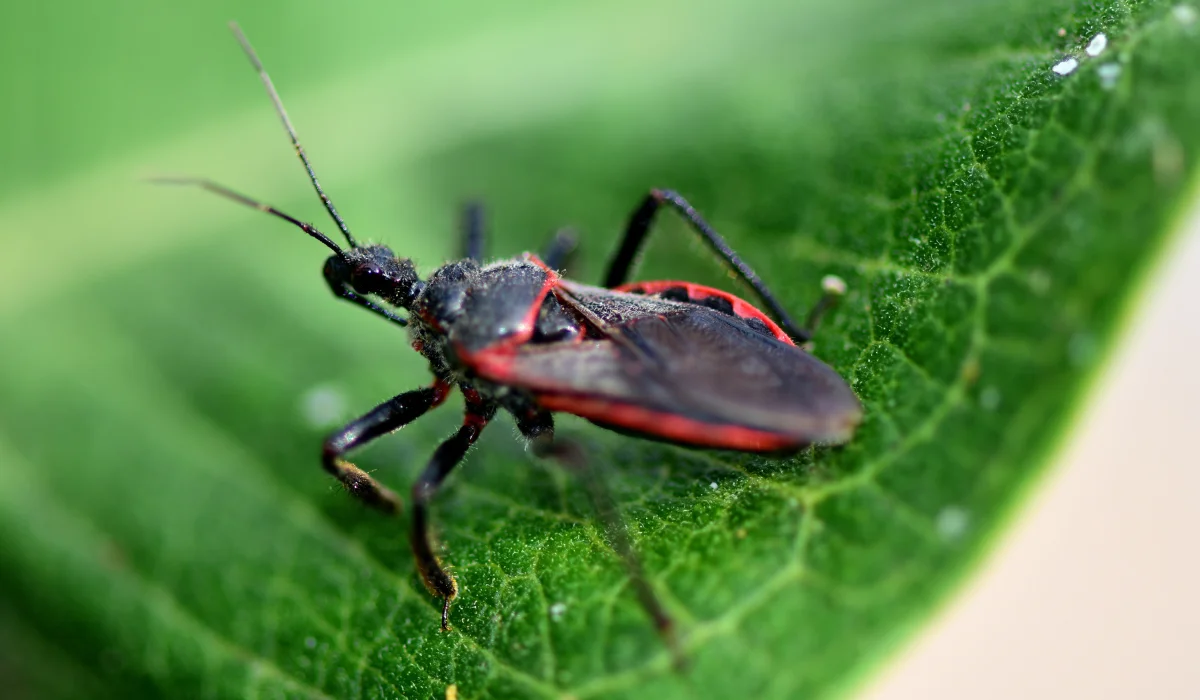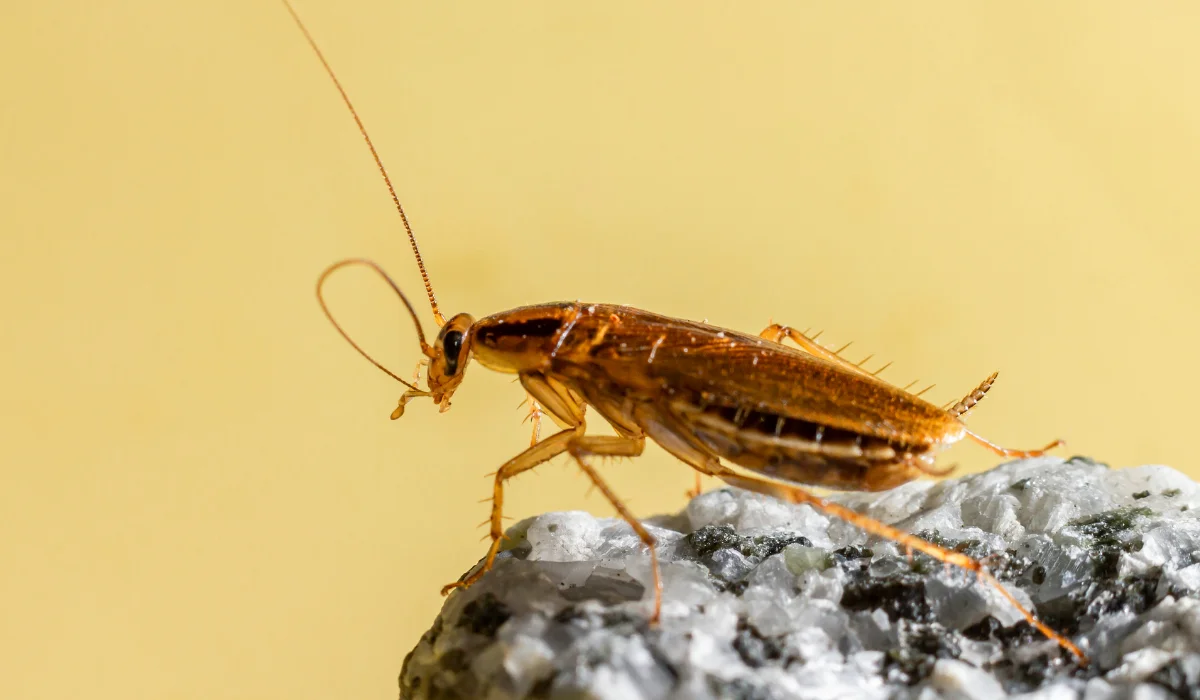




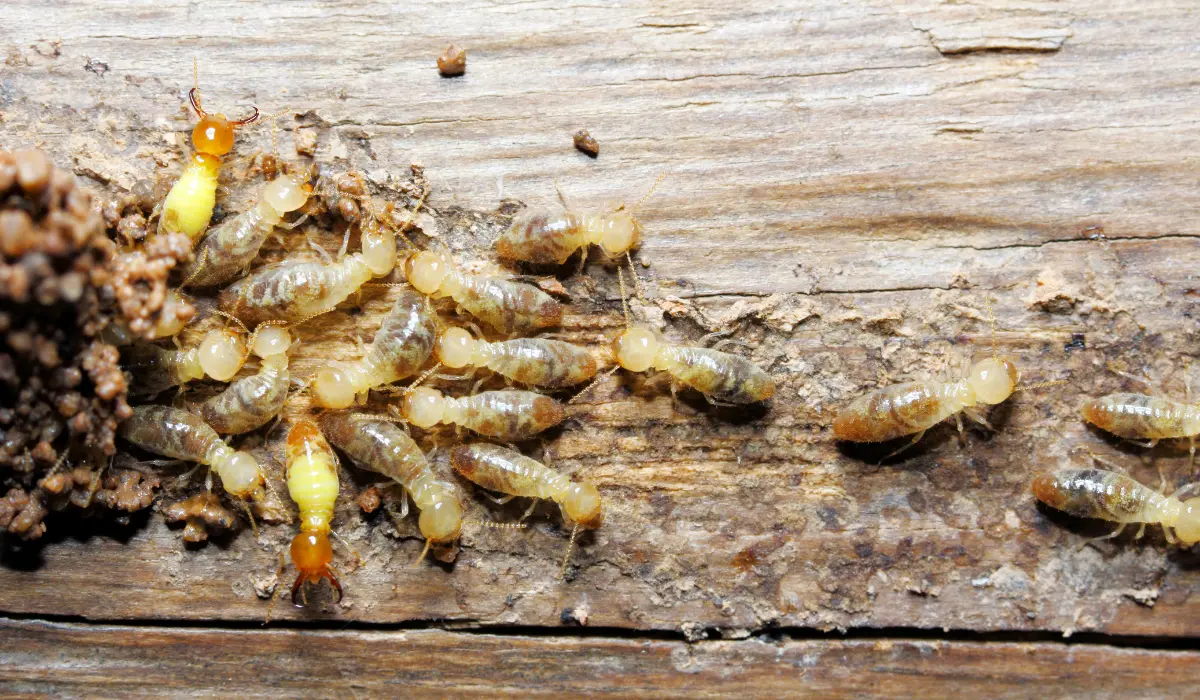
Termites can cause serious trouble for homeowners and property managers. The most critical issue is that termites can silently inflict extensive damage to the structural integrity of buildings.
Did you know that a mature colony with 2,000 termites can consume up to 11 pounds of wood monthly? They gnaw through wood, drywall, and even wallpaper, making them a relentless enemy for those who want to keep their properties safe and sound.
Why would anyone want to take their presence lightly when the stakes are so high? Keep reading to learn how these tiny bugs can rack up repair bills or the early warning signs to watch for.
Key Takeaways
- Termites can pose significant risks, including structural damage, financial burdens, health concerns, and environmental impacts.
- They can cause extensive financial strain due to high repair and treatment costs, often not covered by insurance.
- Structural dangers from termites may include compromised building integrity and safety hazards from weakened wood and foundations.
- Health risks associated with termites may involve allergic reactions, asthma exacerbations, and reduced indoor air quality.
- Effective termite control involves regular professional inspections, proper wood and moisture management, and tailored extermination methods.
WHY ARE TERMITES A PROBLEM?
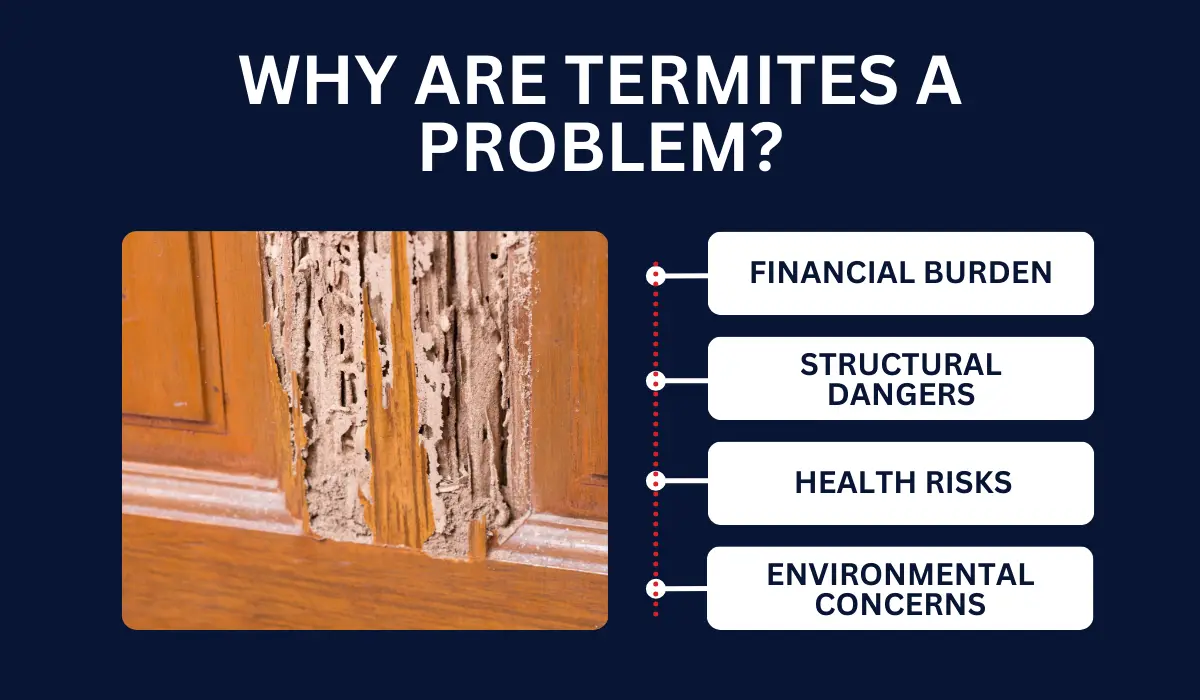
All species of termites cause various issues, including financial strain, structural damage, health risks, and environmental problems. These pests work round the clock and can often go unnoticed until the damage is severe.
Financial Burden
Termites can be a significant financial burden due to the cost of repairs and treatment. As homeowners, you can face expensive bills for fixing termite damage and ongoing termite treatment to prevent further infestations.
While specific costs may vary, consider these values as a baseline when checking in on the cost of termite control services:
| Services | Cost Estimate |
|---|---|
| Regular Inspection | Starts at $50 |
| Treatment | Starts at $500 |
| Repair Expenses | Can exceed $3,000, especially after significant damage |
| Insurance | Many insurance policies do not cover termite damage |
Structural Dangers
Termites pose serious structural dangers, often going unnoticed until they cause extensive damage. This compromise of structural integrity can lead to hazardous living conditions.
As they feed on wood, you may notice signs such as:
- Wooden Structures: Termites attack floorboards, sills, and other critical wooden components.
- Mud Tubes: Subterranean termites build mud tubes that weaken foundations and crawl spaces.
- Drywall Damage: Drywood termites can penetrate and weaken drywall.
- Visible Signs: Swollen floors and ceilings, damaged drywall, and visible termite droppings may indicate a termite problem.
Health Risks
Termite infestations also pose certain health risks in vulnerable individuals. While all types of termites don’t transmit diseases directly, their presence can trigger:
| Health Risks | Details |
|---|---|
| Allergic Reactions | Termite saliva and droppings can cause allergies. |
| Asthma | Dust from termite nests and microorganisms can exacerbate asthma. |
| Skin Irritation | Contact with termite droppings might lead to itching and dermatitis. |
| Indoor Air Quality | Decomposing wood and termite waste can affect air quality in confined spaces. |
Environmental Concerns
You might not immediately think termites are environmental hazards, but their impact extends beyond real estate property. Consider the following ways they can cause damage, contributing to environmental concerns:
- Wood Consumption: Large termite colonies can consume significant amounts of wood, affecting natural and constructed environments.
- Chemical Treatments: Using pesticides and termiticides can impact soil and water quality.
- Biodiversity: By damaging forests, termites may inadvertently affect other species that rely on trees and plants for food and shelter.
- Natural Predators: Disrupting termite populations might impact species that prey on soldier termites, like ants and birds.
HOW TO CONTROL TERMITE INFESTATIONS
Scheduling a professional termite inspection is essential to assess your current situation.
Steps to Control Termites in Tree Stumps
If there are tree stumps or dead trees on your property, it’s only a matter of time before termites enter your house. Now is the time to take action to eliminate them before they get inside.
While waiting for your schedule, we recommend you do the following:
- Remove stumps or dead trees immediately.
- Get a free termite inspection.
- Control whiteflies to protect trees and prevent dead wood accumulation.
Methods to Control Termites in Wood
DIY termite treatment methods are usually ineffective in completely removing these pests. Thus, professional services are essential when termites infest wood in your home.
Actions to Control Termites in Soil
Formosan termites in the soil can be a red flag for potential infestations. They are highly destructive and require professional help.
At LaJaunie’s Pest Control, we employ these termite extermination services:
- Install termite bait stations
- Use trenching methods
- Apply termite pre-treatments before pouring concrete foundations
How to Prevent Future Infestations
Regular Inspections
Regular inspections are your best defense against termites. Here’s how you can stay one step ahead:
| Aspect | Description |
|---|---|
| Free Inspection | Many pest control services offer free inspections to identify early signs of termites. |
| Check Common Areas | Focus on basements, crawlspaces, and other wood-rich structures. |
| Professional Help | Engage professionals to look for common signs of termite activity, like discarded wings and termite swarmers. |
Reduce Food Sources
It is crucial to avoid food sources that attract termites. Cellulose-based materials, like wood and paper, should also be appropriately stored and protected. Other measures you can take are:
- Store Wood Properly: Keep firewood and lumber away from the house.
- Seal Cracks: Seal any cracks or openings to prevent access to food sources.
- Reduce Clutter: Minimize cardboard boxes and paper piles, which can also attract bed bugs.
Control Moisture
Termites thrive in moist environments, so it’s vital to manage excess moisture around the home by taking these measures:
| Control Measures | Description |
|---|---|
| Fix Leaks | Repair leaking faucets, pipes, and exterior AC units. |
| Proper Ventilation | Ensure proper ventilation in crawlspaces and basements. |
| Gutters and Downspouts | Maintain and clean gutters and downspouts to avoid water accumulation near the foundation. |
Monitor and Identify Signs of Infestation
Keep an eye out for indicators of termite activity, such as:
- Sawdust and Feces: Look for sawdust-like droppings or frass, which indicate termite presence.
- Mud Tubes: Termites create mud tubes for protection, usually seen on walls and foundations.
- Discarded Wings and Antennae: During swarming season, dampwood termites shed their wings and antennae near windows or light sources.
- Termite Swarms: Be cautious of termite swarms and discarded wings, which signal a new colony forming.
Professional Pest Control Services
At LaJaunie’s Pest Control Company, we offer specialized services such as the Complete Protection Plan, which bundles multiple pest control methods to ensure comprehensive coverage.
Other services you can expect from our termite treatment include:
| Service Types | Description |
|---|---|
| Bait Stations | Strategically placed to attract and eliminate termites. |
| Liquid Treatments | Chemical barriers around the home’s base. |
| Regular Inspections | Early detection and treatment of potential problems. |
SHOULD YOU GET IN TOUCH WITH PEST CONTROL PROFESSIONALS?
Dealing with termites can be tricky. Termites are silent destroyers. You might not notice them until they’ve already done significant damage.
So, waiting too long can lead to costly repairs. If you spot any signs of termite activity around your home, it might be time to call in pest control.
Whether you’re in Baton Rouge or New Orleans, seeking expert help should be easy. For immediate intervention for a severe infestation, let Lajaunie’s termite control specialists tailor a solution that’s right for your home.
For more information about the areas we service, visit our location page.