



Tiny Black Spider can create costly problems when early signs are missed. Learn what to look for, why it matters, and when to call LaJaunie’s Pest Control.
Key Takeaways About Tiny Black Spiders
- Several spider species that appear small and dark may show up in and around your home, and correct identification helps you understand whether a closer look or professional help is warranted.
- Most spiders you encounter pose little concern, but a few species can be medically relevant, so knowing what to look for matters.
- Reducing clutter and debris around your property can make the area less inviting for spiders that prefer dark, undisturbed spaces.
- When you are unsure what type of spider you are dealing with, a trained service professional can assess the situation and recommend next steps.
How to Identify a Tiny Black Spider
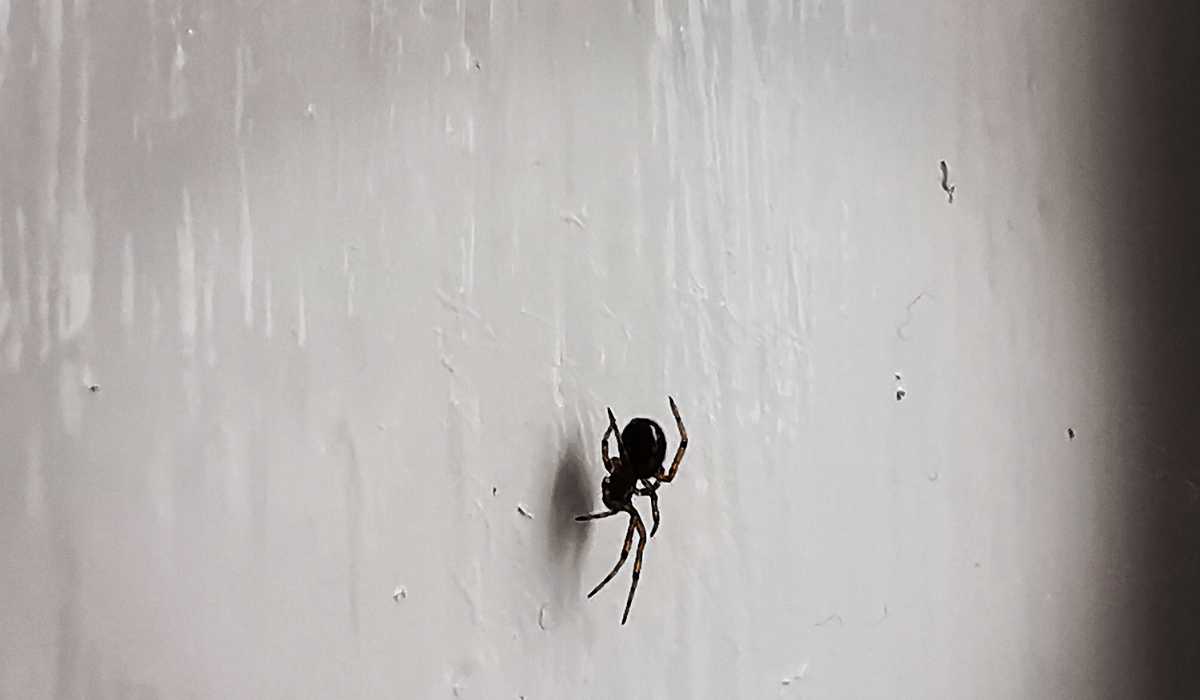
When you spot a tiny black or dark-colored spider in your home, the first step is figuring out which species you are looking at. Several species can appear small and dark, and telling them apart matters because most spiders you will encounter are not a serious concern. According to Mississippi State University Extension, most spiders can produce venom and bite, but only three species in the region, the black widow, the brown widow, and the brown recluse, are seriously venomous to humans.
How to Tell Tiny Black Spider Types Apart
Start by looking at overall shape and color pattern. The brown recluse is the proper common name for only one species, Loxosceles reclusa. It can appear dark to some observers, but it is a distinct species with specific markings. The huntsman spider, Heteropoda venatoria, is occasionally misidentified as a brown recluse. However, as UF/IFAS Extension notes, the huntsman’s carapace color pattern is reversed, showing a light median mark on a dark background, and adults are much larger than a brown recluse.
Among cellar spiders, there are several species, but the long-bodied cellar spider, Pholcus phalangioides, is the most common. One species of cellar spider has a long, thin body measuring 1/3 inch, while the round-bodied cellar spider is smaller with a round abdomen measuring 3/16 inch. With legs spread, cellar spiders can span more than 2 inches.
How to Spot Tiny Black Spider Activity Inside Your Home
Webbing in corners, along ceilings, and in undisturbed spaces is often the first sign of spider activity indoors. Different species build different web styles. Cellar spiders, for example, create loose, irregular webs that collect dust over time, making them easier to notice. If you see small, dark spiders near these webs, comparing their body shape and size to known species descriptions can help with identification.
Where Tiny Black Spider Activity Shows Up Around Homes
(flagging the passive sentence): Pest professionals do not consider the vast majority of tiny black spiders medically important. Closets, garages, and storage areas where items sit undisturbed can attract several species. The most commonly encountered spider species in many homes is tan with dark brown longitudinal stripes on the back, so not every spider in a dim corner is truly black. Good lighting and a close look at color and markings help you tell species apart.
Exterior Entry Points Tiny Black Spiders Use
Spiders can move indoors through gaps around doors, windows, and where utilities enter the structure. Keeping an eye on these openings and noting any webbing nearby can help you identify which species are present before they settle deeper inside your home.
Why Tiny Black Spider Problems Develop in Homes
Most tiny black spiders you find inside your home came from outdoors. Understanding what draws them closer to your house and how they get inside can help you make sense of why they keep showing up.
Outdoor Nesting Areas for Tiny Black Spiders
Wolf spiders inhabit various outdoor areas around homes, including under rocks and logs, in flower beds, lawns, and gardens. These dark brown to black-marked spiders often settle in spots close to your foundation. Outdoor debris can also provide good habitat for spiders such as black widows. When these sheltered areas sit near your home, spiders have a short path to your living spaces.
Food and Shelter That Attract Tiny Black Spiders
Spiders follow their prey. Wherever insects gather, spiders tend to settle nearby. Cellar spiders, for instance, build large, irregular webs in sheltered areas and can reproduce year-round in controlled indoor climates. Recluse species are known for tucking into quiet corners and undisturbed spaces. According to UC IPM, recluse spiders in South America have common names that translate as “the spider behind the picture” or “the spider in the corner,” reflecting their preference for still, hidden spots.
How Tiny Black Spiders Move Around Homes
Cellar spiders may overwinter as eggs, immatures, or adults in areas that provide some shelter, which means they can persist through cooler months without leaving your home. Once inside, they spread to rooms that stay warm and undisturbed. Wolf spiders, ranging from about one-quarter inch to over an inch long, may wander indoors from nearby garden beds or ground cover as conditions change outside.
Trails and Entry Points Tiny Black Spiders Use
Keeping outdoor debris from piling up near your home reduces the sheltered habitat that draws spiders close to walls and doorways. Gaps around the foundation, doors, and windows give ground-dwelling species like wolf spiders a direct route inside. Reducing clutter both outdoors and in storage areas limits the quiet corners where spiders prefer to settle and build webs.
Risks From Tiny Black Spiders
Most tiny black spiders you find around your home are nuisance pests rather than a serious threat. Still, understanding where they show up and what risks they may pose helps you decide how to respond.
Health Risks Linked to Tiny Black Spiders
Homeowners sometimes worry that a small dark spider could be a black widow or brown recluse. In many parts of the country these species are uncommon. According to the University of Minnesota Extension, neither black widow spiders nor brown recluse spiders are native to the upper Midwest, and they are rarely encountered there. Identification matters, because the vast majority of tiny black spiders you see indoors are not considered medically important.
If you cannot identify a spider with confidence, avoid handling it. Setting it aside in a sealed container can help a pest professional confirm the species later.
Property Damage From Tiny Black Spiders
Tiny black spiders do not chew wood, damage wiring, or compromise structural materials. Their main impact on your property is the accumulation of webs. According to UC IPM, these spiders build webs in dark, moist areas such as basements, window wells, wood piles, under driftwood, and around the perimeter of homes. Over time, webbing in these spots can create an unkempt appearance and collect dust and debris.
Food Areas and Tiny Black Spider Activity
Spiders follow prey. When other small insects gather near pantries, counters, or food-prep zones, spiders may move into those areas to hunt. While the spiders themselves are not drawn to food, their presence near kitchens or dining spaces can be unsettling. Keeping other insect activity low around food areas can reduce the chance of spider encounters there.
When to Look Closer at Tiny Black Spider Activity
A single spider in a corner is usually not a concern. However, repeated sightings in dark, moist spots like basements and window wells may suggest conditions that support ongoing activity. Checking wood piles and the perimeter of your home for webbing can help you gauge how widespread the issue is.
If you notice a growing number of webs in multiple areas, or if you are unsure whether a spider could be a species of concern, a closer look from a pest professional can provide clarity.
Professional Pest Control for Tiny Black Spiders
When you spot a tiny black spider in your home, you may wonder whether it needs attention or if it is no real threat. Understanding what draws spiders indoors and how a professional inspection works can help you make the right decision for your household.
How to Reduce Attractants for Tiny Black Spiders
Indoor spiders, including American house spiders and brown recluses, prey on insects that find their way inside your home. According to Mississippi State University Extension, anything you do to exclude insects will also help reduce spider populations. Sealing gaps around doors, windows, and utility entry points limits the insect prey that attracts spiders in the first place.
Some spiders, such as wolf spiders, are ground-inhabiting and do not build webs. Instead, they wander in search of prey. Reducing clutter at ground level, both indoors and around your home’s foundation, removes the sheltered pathways these spiders use to move through a space.
Female spiders may carry large, round egg sacs attached to their abdomens, and newly hatched spiderlings can ride on the back of the female. Addressing spider activity early helps limit the number of spiders that may establish themselves in your living areas.
Why Tiny Black Spider Control Starts With Inspection
Not every tiny black spider poses the same level of concern. Several species can appear similar at first glance. Black widows, brown recluses, and wolf spiders all occur in the Southeast, and a proper inspection helps determine which species is present and what action is appropriate.
An inspection focuses on where spiders are active, what insect prey may be supporting them, and whether egg sacs are present. Wolf spiders, for example, do not build webs but wander on the ground searching for prey, so their activity patterns differ from web-building species. Identifying these habits helps guide the right approach.
What to Expect During Professional Tiny Black Spider Treatment
A LaJaunie’s Pest Control service professional begins by assessing your home for spider activity, entry points, and the insect populations that may be sustaining spiders indoors. Because spiders follow their food source, treatment often addresses the broader insect issue alongside the spider concern itself.
Treatment plans account for the species involved. Some tiny black spiders are simply nuisance pests, while others, such as black widows, require more careful handling. Your service professional will walk you through what was found and what steps are being taken.
What to Expect From a Tiny Black Spider Control Plan
A control plan from LaJaunie’s Pest Control is built around your home’s specific conditions. Reducing the insects that spiders prey on is a core part of ongoing management. When fewer insects enter your home, spider populations typically decline as well.
Your plan may also include recommendations for exclusion work and habitat adjustments around your home’s exterior. LaJaunie’s serves homeowners across New Orleans, Baton Rouge, Slidell, Thibodaux, and surrounding areas, so your plan reflects the conditions common to southeast Louisiana properties.
Ongoing monitoring helps your service professional track spider activity over time and adjust the approach as needed. This is especially important when species like black widows or brown recluses may be involved, since these spiders can require sustained attention.
Bottom Line on Tiny Black Spiders
Finding a tiny black spider in your home can be unsettling, but most small dark spiders you come across are not a serious concern. A few species do warrant closer attention, and telling them apart matters. Keeping clutter to a minimum, reducing the insects that spiders feed on, and sealing entry points all help lower the chance of repeated encounters. When you are unsure what you are dealing with or notice spiders in growing numbers, a trained service professional can identify the species and recommend the right approach.
If you are in the LaJaunie’s Pest Control service area, reach out to request a no-obligation assessment of your home.
Frequently Asked Questions
How Can I Tell if a Small Dark Spider Is Dangerous?
Eye arrangement is one of the most reliable clues. Most common house spiders have eight eyes grouped together, while a brown recluse has six eyes arranged in three distinct pairs. Body shape, web style, and where you found the spider also help narrow down the species. If you are uncertain, a pest control professional can provide a definitive identification.
Why Am I Seeing Spiders Inside My House?
Spiders follow their food source. When insects find their way indoors, spiders may move in to prey on them. Steps that reduce indoor insect activity, such as sealing gaps and managing moisture, can also help lower spider numbers over time.
Should I Be Worried About a Single Spider Sighting?
A lone spider does not necessarily signal an infestation. Many spiders are solitary and may have wandered in by chance. However, repeated sightings in the same area could suggest conditions that attract both insects and the spiders that hunt them. Monitoring the situation and reducing clutter in storage areas is a reasonable first step.
When Should I Call a Professional for Spider Control?
Consider professional help if you notice multiple spiders in a short period, find them in living spaces regularly, or suspect the species may pose a risk. A service professional can assess your home, identify species present, and tailor a plan suited to the situation rather than relying on guesswork.