🐞 Free Pest & Termite Inspection* | Same-Day Service*🐞

Get Service TODAY!

Google star 1Google star 2Google star 3Google star 4Google star 5
4.93208 reviews

How to Repel Bees and Wasps Naturally in Louisiana: What Actually Works

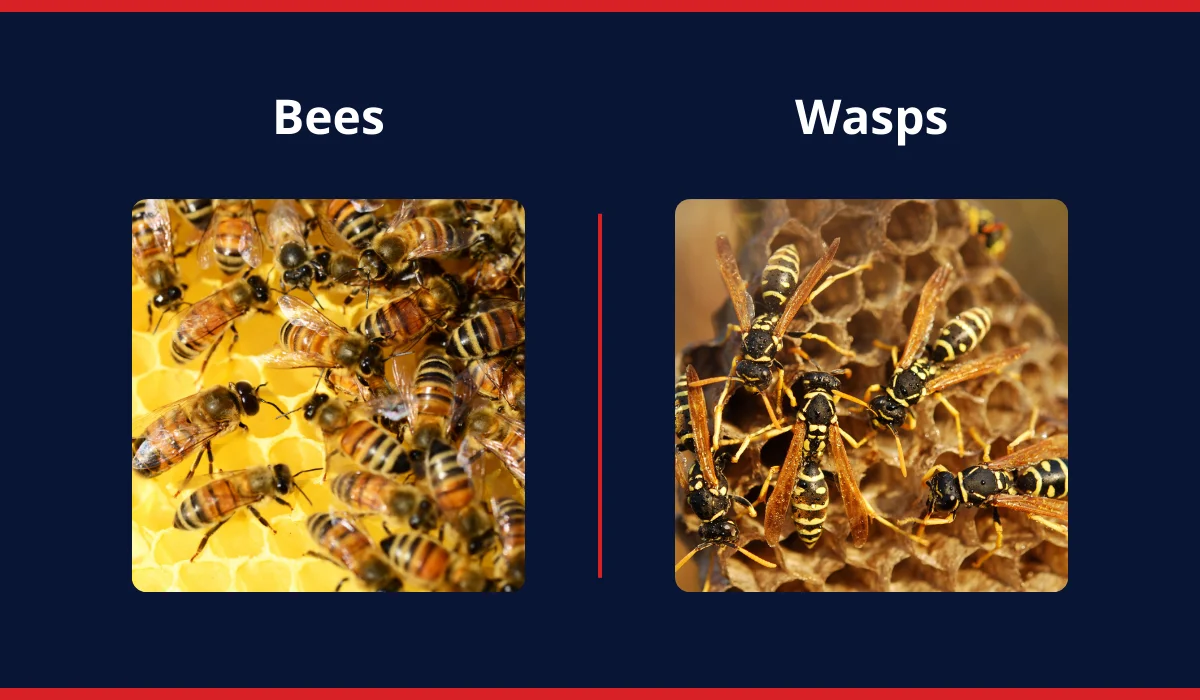
Side-by-side comparison of bees clustered on honeycomb and wasps on a paper nest

If you are trying to learn how to repel bees and wasps naturally, focus first on what keeps bringing them close to your home. In Louisiana, warm weather, exposed food, standing water, open trash cans, and sheltered nesting spots can all increase activity around patios, porches, and eaves. Natural repellents may help discourage occasional visitors, but they work best when paired with practical prevention, especially before a nest becomes established.

Key Takeaways

  • Natural repellents work best before a nest is established and can help discourage occasional wasp activity around patios, entryways, and other outdoor spaces.
  • Removing exposed food, trash residue, standing water, and sheltered nesting spots usually provides more lasting prevention than scent-based repellents alone.
  • Repeated flights into the same wall gap, ground opening, shrub, or eave can indicate a nest nearby and are a sign to stop relying on DIY deterrents.

How to Repel Bees and Wasps Naturally in Louisiana

Knowing how to repel bees and wasps naturally starts with realistic expectations. Peppermint and other strong scents may discourage some wasps from landing or lingering in a treated area, but they do not create a dependable protective barrier around a property.

Natural deterrents work better when paired with practical prevention. In Louisiana, that means cleaning up food after a backyard cookout, checking eaves and porch areas during spring nest-building season, keeping trash sealed, and removing standing water near the places your family uses most.

Use Essential Oils as a Short-Term Deterrent

Peppermint, clove, rosemary, lemongrass, eucalyptus, and other strongly scented oils are commonly used as plant-based wasp deterrents.

A study examining essential oils as repellents found that 17 oils showed repellent activity against yellowjackets and paper wasps. Clove, rosemary, and lavender were among the oils tested, and some oil combinations produced complete repellency under the study conditions.

Those findings do not mean a homemade spray will eliminate a nest on your property. A scent may change where wasps land or forage without affecting the colony producing the activity.

Use scent-based deterrents on non-food surfaces around patios, railings, or other areas where you are seeing occasional wasp activity but no active nest. Avoid spraying flowers, bees visiting blooms, or the entrance to a nest.

Remove Food and Drink Attractants

Wasps and yellowjackets often show up around outdoor meals because sweet drinks, fruit, meat, and other foods give them an easy reason to stay nearby.

Cover food when it is not being served, use containers that close, and wipe up spills soon after they happen. Sweet drinks deserve extra attention because a wasp can crawl inside an open can or cup without being easy to see.

Do not overlook pet food. Bowls left outdoors for long periods can become another dependable food source close to doors, patios, and porches.

These steps matter during Louisiana’s warmer months, when backyard meals, crawfish boils, and family gatherings often take place during the same period when wasps are actively foraging.

Keep Trash Areas Clean and Sealed

Outdoor trash cans can attract wasps when soda, fruit, meat scraps, and other food residue collect around the lid or rim.

Use cans with lids that close completely and clean sticky spills when you notice them. If a garbage bag leaks, rinse the container before adding a new bag rather than allowing residue to build up inside.

The goal is to remove a predictable food source. A trash can that offers the same food odors every day can keep foraging wasps returning to the same part of the property.

If wasps continue gathering around a clean, closed garbage area, watch where they travel after leaving. A repeated flight path can point toward a nest elsewhere in the yard.

Seal Sheltered Nesting Areas Before Spring

Wasps often choose protected locations that shelter a developing nest from rain, wind, and frequent disturbance. Eaves, shutters, gaps around exterior fixtures, porch furniture, sheds, and covered corners can all provide suitable nesting spots.

The start of a wasp nest can be small enough to overlook during an ordinary walk around the house. Checking eaves and other covered areas in early spring can make new nest-building activity easier to spot.

Repair damaged screens and close unused gaps or openings where wasps could enter wall voids or other concealed spaces. Do not seal an opening while wasps are actively flying through it, since blocking an active entrance can redirect the insects elsewhere.

When wasps keep coming back to a porch, the area may continue to offer shelter, food, water, or other conditions that support nesting. Correcting those conditions is more useful than repeatedly knocking down nests without addressing why the location keeps attracting them.

Reduce Standing Water and Other Yard Attractants

Wasps need access to water, especially during Louisiana’s hottest months. Birdbaths, pet bowls, clogged gutters, leaking hoses, buckets, and containers that hold rainwater can all give them a steady source.

Keep intentional water features maintained and empty water that does not need to remain in the yard. Change birdbath water regularly and consider placing it away from patios, play areas, and exterior doors.

Repair leaking outdoor fixtures and check buckets, plant saucers, toys, and equipment after heavy rain. Clogged gutters also deserve attention because they can hold water above parts of the home where wasps already find sheltered nesting sites.

Louisiana’s combination of heat and frequent rainfall means water can return quickly after you remove it, so a short property check after storms is more useful than treating water management as a one-time task.

Do Not Rely on Repelling Plants Alone

Mint, lemongrass, geraniums, marigolds, and other aromatic plants are sometimes placed near patios in hopes that their scent will discourage wasps.

Plants can support a broader prevention plan, but they should not be treated as a barrier against nesting. A protected eave, exposed food source, or reliable source of water can matter more to a wasp than a strongly scented plant growing nearby.

Flowering plants create another consideration because they can attract bees and other pollinators. If your goal is to reduce close encounters, keep pollinator-friendly flowers farther from doors, dining areas, pools, and children’s play spaces.

You do not need to make the entire yard unattractive to bees. A better approach is to give flowering plants space away from the parts of the property where people regularly gather.

Use Wasp Traps Carefully

Wasp traps can catch some foraging wasps, but they do not remove an established nest.

Placement matters because the bait inside a trap is meant to attract insects. Hanging a trap beside a patio table or doorway can draw wasps toward the very area where you want less activity.

Place traps away from seating areas, doors, walkways, and children’s play spaces. Check them regularly rather than leaving them outside indefinitely.

Traps are most useful when you are seeing scattered foraging activity. If wasps repeatedly enter the same ground opening, wall gap, eave, or shrub, catching individual workers will not address the nest producing them.

What Natural Bee and Wasp Repellents Can and Cannot Do

Natural bee and wasp repellents can help discourage insects from landing or lingering in certain areas when no nest is present. They may be useful around patios, railings, entryways, and other surfaces where you are dealing with occasional visitors.

They become much less useful once wasps have established a regular route to a nest. Paper wasps repeatedly entering an eave, yellowjackets flying into a ground opening, or wasps disappearing into a wall gap are signs that the problem is no longer limited to occasional foraging.

Outdoor repellents also lose their effect over time. Rain, sun, cleaning, and normal weather exposure can quickly reduce the scent left on a treated surface.

For longer-lasting prevention, focus on why insects keep returning. Closing unused gaps before nesting begins, cleaning food residue, sealing trash, and reducing unnecessary water sources can remove the conditions that attract wasps in the first place.

A skin mark alone also cannot tell you what insect caused it. Yellow sac spider bites and other suspected bites can resemble unrelated skin irritation, so a mark on the skin is not evidence by itself that bees or wasps are nesting nearby.

How Louisiana’s Climate Affects Bee and Wasp Activity

South Louisiana’s long warm season gives wasps and other stinging insects more time to forage and build nests. Homeowners in Houma, Thibodaux, Baton Rouge, New Orleans, Mandeville, and surrounding communities may begin seeing new nest-building activity as temperatures rise in spring and continue seeing active colonies through summer.

Red wasps in Louisiana are one stinging insect homeowners may encounter around eaves, structures, and vegetation. Like other social wasps, they can defend the area around a nest when it is disturbed.

Spring is a useful time to inspect sheltered areas because newly started nests are smaller and easier to notice. As summer progresses, established nests can become more active while food, water, and shaded areas continue drawing insects around the property.

LaJaunie’s technicians also encounter wasps in grass and foliage near homes, not only in obvious nests hanging from rooflines. That is why a property check should include shrubs, lawn edges, sheds, exterior fixtures, and other areas near walkways and gathering spaces.

If wasps repeatedly disappear into the same patch of vegetation, ground opening, or structural gap, keep your distance. The repeated route itself can help identify where the activity is centered without disturbing the area.

When DIY Is Not Enough

Natural repellents make the most sense when you are dealing with occasional foraging wasps or trying to discourage nest building before it begins. Once insects are moving repeatedly to and from the same location, the situation calls for a different response.

Use the pattern of activity to decide what to do next:

What You Are SeeingBest Next Step
Occasional wasps around food or a patioRemove food and other attractants and use a short-term deterrent if needed
A few wasps checking eaves or outdoor furnitureMonitor the area and close unused gaps before nesting begins
Repeated flights into the same crack, shrub, eave, or ground openingKeep your distance and have the area assessed
An active nest beside a doorway, patio, or other busy areaAvoid disturbing the nest and consider professional service
A nest high on the structure or activity inside a wall or roof voidUse professional stinging insect control
Defensive wasp activity or a household member with a serious sting allergyStay away from the nesting area and seek professional help
A cluster or colony that appears to be honeybeesContact a qualified beekeeper rather than attempting removal yourself

The clearest change is repeated, organized traffic. One wasp visiting a plate of food is foraging. Wasps entering the same opening over and over are more likely to be using a nest or nesting site nearby.

LaJaunie’s technicians use protective equipment when working around stinging insects and can treat eaves up to 25 feet when needed. For an established wasp or hornet problem, professional stinging insect control is safer than experimenting with repellents close to the nest.

What to Do if You Find Honeybees

Bees and wasps should not receive the same response. Honeybees are pollinators, and a honeybee cluster or colony inside a structure requires different handling from a paper wasp, hornet, or yellowjacket nest.

LaJaunie’s does not treat honeybees. If the insects appear to be honeybees, contact a qualified beekeeper or bee-removal specialist who can evaluate the colony.

The cost of bee removal can change depending on where the colony is located and how difficult it is to reach. Bees gathered on an exposed surface can present a different removal job from a colony established inside a wall, soffit, or other part of a structure.

If you cannot tell whether you have honeybees, carpenter bees, wasps, yellowjackets, hornets, or another stinging insect, take a clear photo from a safe distance. Identifying the insect should come before deciding how the area should be handled.

Keeping Bees and Wasps Away From Your Louisiana Home

Learning how to repel bees and wasps naturally is less about finding one scent they dislike and more about removing the reasons they return. Essential oils and traps can help with occasional activity, but sealed trash, clean outdoor eating areas, fewer standing-water sources, early nest checks, and closed nesting gaps provide a stronger prevention plan.

Pay attention when an occasional wasp becomes repeated traffic. Insects disappearing into the same ground opening, wall gap, shrub, or eave are giving you useful information about where a nest may be located.

For wasps, yellowjackets, hornets, and other stinging insect problems across South Louisiana, LaJaunie’s can identify the activity and recommend the appropriate next step. Request stinging insect service if an active nest or repeated wasp activity is making part of your property difficult to use safely.

FAQs About Natural Bee and Wasp Repellents

What Smell Keeps Bees and Wasps Away?

Strong scents such as peppermint, clove, rosemary, eucalyptus, and lemongrass may discourage some wasps from treated areas. Their effect is temporary and should not be relied on to eliminate an active nest. Removing food, water, and nesting opportunities usually provides more dependable prevention around a home.

Does Peppermint Oil Repel Bees and Wasps?

Peppermint oil is commonly used as a scent-based deterrent, and research on plant oils has found repellent effects against some wasp species. Results around a home can vary, especially after rain or prolonged outdoor exposure. Do not spray peppermint oil directly on bees, flowering plants, or an active nest.

When Should I Call a Professional for Wasps?

Consider professional help when wasps repeatedly enter the same ground opening, wall gap, eave, or roof area, when a nest is large or difficult to reach, or when activity is close to doors and other busy spaces. Avoid approaching a nest if anyone nearby has a serious sting allergy.

Limited Time Offer 2

$99 1st pest control service special

  • User icon with a checkmark badge beneath a row of five stars, representing a top-rated profile
    18+ years of experience
  • Checkmark icon inside a circle on a badge-shaped seal, indicating verification or approval
    Pest-free guarantee
  • Icon of two family figures with a shield and checkmark symbolizing protection
    Family owned business
Request your free quote

Or call for same-day service