



When LaJaunie’s technicians respond to South Louisiana homes where someone keeps waking up with unexplained bites, bed bugs are one of the first indoor pests they check for. Outdoors, mosquitoes are a frequent concern through the long warm season, especially around yards with standing water, dense vegetation, drainage areas, or nearby wetlands.
That local pattern matters when you are trying to identify night-biting bugs Louisiana homeowners encounter. A person waking up with repeated bites in a Baton Rouge bedroom may need to inspect the bed and nearby furniture, while someone spending an evening outside near Houma or Thibodaux may be dealing with mosquitoes or no-see-ums.
Bite appearance alone is not always enough to identify the source. Where you were, where the marks appear, and what signs you can find around your home can help narrow it down. Below are the most common nighttime pests already covered on this page, along with more Louisiana-specific clues for figuring out what bit you.
Key Takeaways
- Bed bugs, mosquitoes, chiggers, no-see-ums, kissing bugs, and fire ants can all cause marks that you notice during or after nighttime hours.
- The location and pattern of the bites can offer clues, but finding physical signs of the pest gives you a more reliable answer.
- Louisiana’s warm climate, coastal marshes, wooded areas, and long mosquito season affect which biting pests you are most likely to encounter.
- If new bites continue and you cannot identify the source, a professional inspection can help determine what is active in or around your home.
How to Identify Night-Biting Bugs Louisiana Homeowners Encounter
If you wake up asking “What bit me last night?”, start with where the marks are and what you were doing the evening before. Several night-biting bugs Louisiana residents encounter can produce similar itching, so use the bite as one clue rather than the only clue.
The table below gives you a quick way to narrow the possibilities. If symptoms are severe, spreading, or accompanied by trouble breathing or other concerning reactions, contact a medical provider.
| What You Notice | Most Likely Pest | Where to Look | What to Do Next |
| Small red bumps in clusters or lines after sleeping | Bed bugs | Mattress seams, box spring, headboard, and nearby furniture | Look for dark spotting, shed skins, eggs, or live bugs. |
| Random itchy welts after spending time outside | Mosquitoes | Yard, porch, gutters, containers, and low areas that hold water | Remove standing water and use repellent outdoors. |
| Very itchy bumps near ankles, waistbands, or tight clothing | Chiggers | Grass, brush, wooded edges, and overgrown areas | Wash after outdoor exposure and reduce dense vegetation near commonly used areas. |
| Small, itchy welts after time near marshes or the coast | No-see-ums | Patios, screens, marsh edges, and damp outdoor areas | Use fine-mesh screening and repellent when activity is heavy. |
| Burning followed by a red bump or small white pustule | Fire ants | Lawn, foundation perimeter, and nearby mounds | Avoid disturbing the mound and address active colonies near living areas. |
| Swelling after a nighttime bite with a larger unfamiliar bug nearby | Kissing bug | Porches, woodpiles, doors, windows, and animal nesting areas | Save the bug for identification if you can do so safely and contact a medical provider if you have concerning symptoms. |
Bed Bugs and Their Relentless Bites
Bed bugs are among the best-known night-biting pests in Louisiana. These small, reddish-brown bugs feed while people sleep and hide in mattresses, box springs, bed frames, headboards, upholstered furniture, and narrow crevices close to resting areas.
Bed bug bites often appear in clusters or lines, but not everyone reacts the same way. Some people develop itchy welts, while others show little visible reaction. Look for small dark stains, shed skins, eggs, or live bugs around mattress seams and the headboard instead of relying only on the appearance of a bite.
Bed bugs can show up in homes and apartments throughout Baton Rouge, New Orleans, Thibodaux, Houma, and other Louisiana communities because they can travel with luggage, bags, clothing, and furniture. If you find signs of an infestation, LaJaunie’s bed bug control service focuses on the beds, furniture, cracks, crevices, and nearby areas where these pests hide. Our technicians treat every stage of the bed bug life cycle, from eggs to nymphs to adults, to eliminate the infestation.
Mosquitoes: Louisiana’s Most Persistent Biters
Anyone living in South Louisiana knows how active mosquitoes can become during warm, humid weather. They breed around standing water and may feed at dusk, at night, or around dawn depending on the type of mosquito.
In Lafourche Parish and other parts of South Louisiana, mild winters can extend mosquito activity well beyond summer. Around Thibodaux, Houma, New Orleans, and Baton Rouge, gutters, buckets, plant saucers, low spots, drainage areas, and other places that collect water can support mosquito activity.
Mosquito bites usually leave itchy welts, and mosquitoes can spread illnesses such as West Nile virus. The Centers for Disease Control and Prevention (CDC)’s West Nile virus information explains symptoms, transmission, and prevention, while its mosquito guidance covers ways to reduce bites and breeding areas.
If mosquitoes remain heavy around your property after you address standing water, LaJaunie’s mosquito control service is designed to reduce active mosquitoes and ongoing breeding pressure around the yard.
Chiggers and Their Painful Red Bumps
Chiggers are tiny pests commonly found in Louisiana lawns, grassy areas, gardens, brush, and wooded edges. Their bites often produce clusters of intensely itchy red bumps around the ankles, waistband, sock lines, or other areas where clothing fits closely.
The irritation may become noticeable hours after you were outside, which is why some people assume something bit them while they were sleeping. In suburban and rural parts of South Louisiana, yard work, hunting, hiking, fishing access, or time in overgrown grass can all increase exposure.
If you continue waking up with new bites even when you have not spent time outdoors, another pest may be responsible. Check for bed bug signs, mosquitoes indoors, fleas, or another source instead of assuming chiggers are living in your bed.
Kissing Bugs and the Risk of Chagas Disease
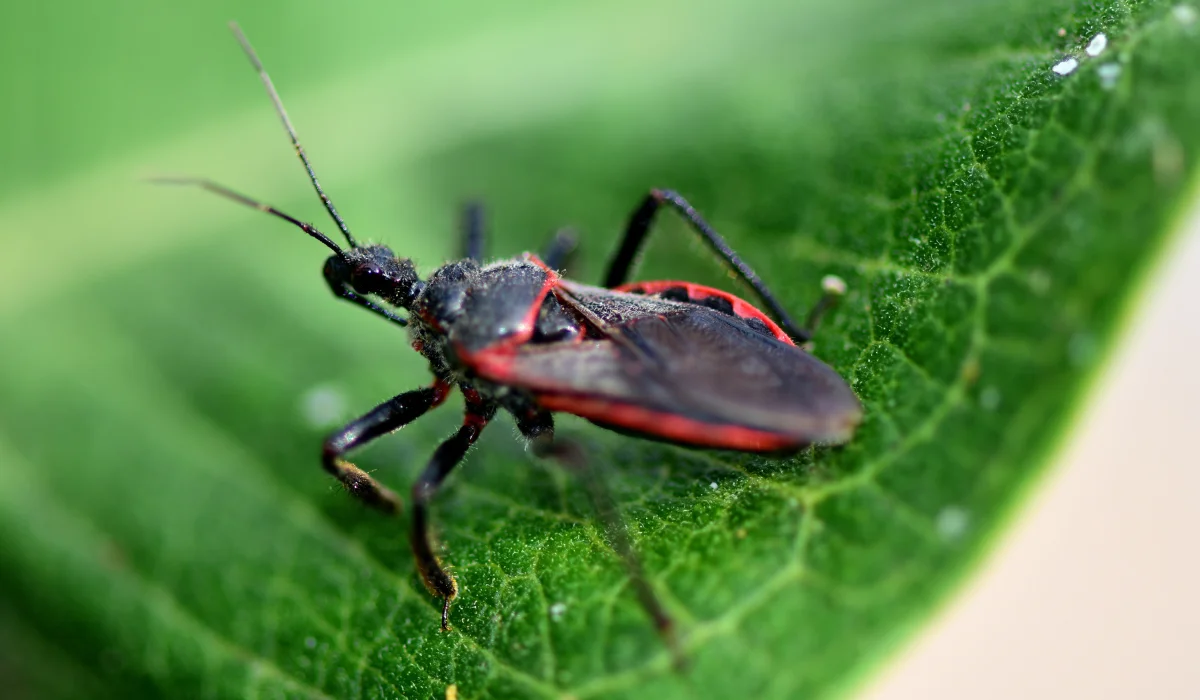
Kissing bugs, also known as triatomine bugs, are nighttime feeders that usually live outdoors around animal nesting areas, woodpiles, porches, sheds, and other sheltered spaces. They can enter homes through gaps around doors, windows, screens, and other openings.
They are a more plausible concern around rural or wooded properties than in a typical dense urban setting. Because other Louisiana bugs can look similar, finding a large unfamiliar bug indoors does not automatically mean you have found a kissing bug.
Kissing bugs are associated with Chagas disease, but the bite itself is not the usual route of infection. The CDC’s Chagas disease guidance explains that exposure can occur when infected bug waste reaches the bite site, eyes, mouth, or another break in the skin.
If you find a suspected kissing bug, avoid crushing it with your bare hands. Save it in a closed container if you can do so safely, and contact a medical provider if you are concerned about exposure or develop unusual symptoms.
Fire Ants and No-See-Ums
Fire ants do not normally enter a bedroom looking for a blood meal, but they can sting at any hour if they reach a porch, patio, lawn, or indoor area. Their stings often cause an immediate burning sensation followed by red bumps or small white pustules.
Fire ants are widespread across South Louisiana, so mounds near foundations, sidewalks, patios, play areas, and utility boxes deserve attention. If your marks appeared suddenly while you were outdoors or close to an active mound, fire ants are more likely than a pest hiding in your mattress.
Another common nighttime pest is the no-see-um, especially relevant closer to Louisiana’s marshes, wetlands, and coast. These tiny biting midges can leave itchy welts similar to mosquito bites, and homeowners around Houma, lower Terrebonne Parish, Lafourche Parish, New Orleans, and other damp coastal areas may encounter them around patios and outdoor seating areas.
Because no-see-ums are so small, standard screens may not always keep them out. Fine-mesh screens, repellent, and limiting outdoor exposure during periods of heavy activity can help.
Spiders, Cockroaches, and Other Night Crawlers
Most spiders avoid people, and they do not normally seek you out while you sleep. A spider bite is more likely when a spider becomes trapped against the skin in clothing, bedding, shoes, boxes, or another confined space.
Louisiana is home to black widows and brown recluses, so worsening pain, major swelling, blistering, muscle symptoms, or other serious reactions should be evaluated by a medical provider. Do not try to diagnose a spider bite based on appearance alone.
Cockroaches are also active after dark, but they are not typical blood-feeding pests. If you keep waking up with unexplained bites, roaches should not be your first suspect. Their presence can still signal a broader pest problem inside the home.
If you are seeing roaches, spiders, or several different pests indoors, LaJaunie’s general pest control service can help identify what is active and where it is coming from.
Protecting Yourself From Night Biting Bugs
Preventing night-biting bugs Louisiana homeowners encounter starts with figuring out whether the problem is indoors, outdoors, or both. For suspected bed bugs, check your mattress seams, box spring, headboard, and nearby furniture before moving anything to another room. Wash bedding in hot water each week to kill eggs and small pests.
For mosquitoes, no-see-ums, and chiggers, focus on outdoor conditions. Empty standing water, keep gutters flowing, trim heavy vegetation near patios and entryways, and use a repellent when biting pests are active.
Sealing gaps around windows, doors, vents, and utility openings can also reduce the number of nighttime pests entering your home. Insect repellent, especially those containing DEET, is effective for outdoor protection. For indoor control, store-bought sprays and home remedies only go so far.
If bites continue but you cannot find physical evidence of a pest, consider both a pest inspection and medical guidance instead of treating the bite pattern as a diagnosis.
Making the Right Pest Control Choice in Louisiana
Waking up with unexplained bites is frustrating because several pests can leave similar marks. The best way to identify night-biting bugs Louisiana homeowners encounter is to consider the bite pattern, where you spent the evening, what signs you can find around the bed or yard, and which pests are common around your part of Louisiana.
Bed bugs require a different response from mosquitoes, chiggers, fire ants, or no-see-ums, so correct identification comes first. If you keep waking up with new bites or continue finding pest activity around your home, LaJaunie’s Pest Control serves Baton Rouge, Thibodaux, Houma, New Orleans, and communities across southeastern Louisiana. You can schedule an inspection to identify the source and determine the right next step for your home.
Night-Biting Bugs in Louisiana: FAQs
What is biting me at night in Louisiana?
Bed bugs and mosquitoes are two common possibilities, but chiggers, no-see-ums, fleas, fire ants, and other pests can also leave marks that become noticeable overnight. Check where the bites appear, whether you were outdoors, and whether you can find physical signs around your bed, furniture, or yard.
How can I tell if my bites are from bed bugs or mosquitoes?
Bed bug bites often appear after sleeping and may show up in clusters or lines. Mosquito bites are often more randomly spaced on exposed skin. Because people react differently to bites, check mattress seams, the headboard, and nearby furniture for bed bug signs before deciding what caused them.
Are kissing bugs common in Louisiana homes?
Kissing bugs can occur in Louisiana, but they are more often associated with outdoor shelters, wooded areas, animal nesting sites, and rural properties than indoor infestations. If you find a suspected kissing bug, save it safely for identification and contact a medical provider if you are concerned about exposure.
Can mosquitoes bite at night in Louisiana?
Yes. Many mosquitoes are active during dusk, nighttime, or early morning hours. South Louisiana’s long warm season and frequent standing water can extend mosquito activity beyond summer, especially in places such as Lafourche and Terrebonne parishes.
What should I do if I keep waking up with bites but cannot find a bug?
Inspect your mattress, box spring, headboard, nearby furniture, windows, and screens, then consider whether you spent time outdoors the previous evening. If fresh marks continue without a clear source, schedule a pest inspection and speak with a medical provider about persistent or worsening skin symptoms.