



Finding termites in a table, dresser, cabinet, or other wooden furniture can leave you wondering whether you can treat the piece or need to remove it from your home. Start by isolating the affected furniture when practical and checking the surrounding room for other signs of termite activity.
Knowing how to get rid of termites in furniture also means figuring out what type of termite you are dealing with. Drywood termites can live directly inside wood, while subterranean termites typically travel between the soil and a food source. That distinction matters because treating one piece of furniture will not solve an infestation that extends into your home.
If you are trying to determine how to kill termites in furniture, the right approach depends on the extent of the activity, the size and value of the furniture, and whether termites are present anywhere else. Start with these steps before deciding how to treat the affected piece.
Key Takeaways
- Isolate termite-infested furniture when practical and inspect the surrounding area before choosing a treatment.
- Drywood termites can live inside furniture, while mud tubes may point to subterranean termites entering from elsewhere.
- Sunlight, cold treatment, and other DIY methods have limitations and may not reach termites deep inside wood.
- Surface treatments may affect termites they contact without eliminating termites hidden throughout the piece.
- If termite activity extends beyond one piece of furniture, a termite inspection can help identify the source.
How to Get Rid of Termites in Furniture
If you find termites in furniture, avoid immediately spraying the piece or carrying it through several rooms. First, determine whether the activity appears limited to the furniture or whether there are termite signs elsewhere in the home.
Check nearby baseboards, walls, flooring, window areas, and other wooden items. Look for frass, discarded wings, mud tubes, small openings, or damaged wood. If those signs appear outside the furniture, you may be dealing with more than an isolated furniture infestation.
Step 1: Isolate the Furniture and Inspect the Area
Move smaller pieces away from walls and other wooden furniture when you can do so without spreading debris throughout the house. Avoid carrying an infested item from room to room before checking the surrounding area.
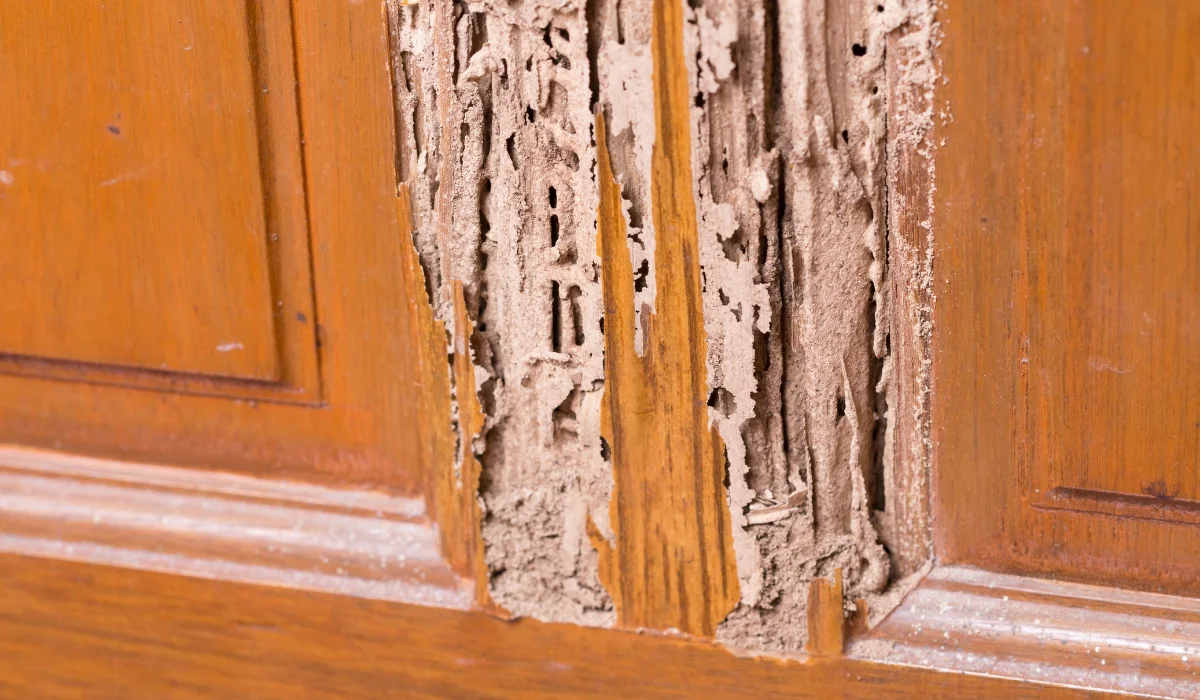
Inspect joints, cracks, drawers, undersides, unfinished surfaces, and damaged areas. Small openings accompanied by piles of hard pellets can be associated with drywood termite activity.
If you see mud tubes leading toward the furniture or along nearby parts of the structure, do not assume the termites are living only inside the piece. Subterranean termites travel from the soil and may be using the furniture as one food source within a larger infestation.
Step 2: Use Sunlight Carefully for Small, Movable Pieces
Moving termite-infested furniture into direct sunlight is sometimes suggested as a DIY approach because termites generally prefer protected environments. For a small, movable piece, prolonged exposure can make conditions less favorable for termites near the surface.
However, sunlight is not a dependable way to eliminate an established infestation. Thick wood, joints, drawers, and internal galleries can shield termites from conditions at the surface.
Louisiana homeowners should also consider potential damage to the furniture itself. Strong sun and heat can fade finishes, warp some materials, or affect adhesives. Valuable or antique furniture should not be placed outside solely on the assumption that several hours of sunlight will eliminate every termite.
Step 3: Consider Cold Treatment Only for Suitable Items
Very small wooden items may be candidates for controlled cold treatment if they fit inside an appropriate freezer and the material can safely tolerate low temperatures.
The challenge is exposing the entire piece, including its interior, to sufficiently cold conditions. A large dresser, table, upholstered item, or valuable antique is not a practical candidate for this approach.
Cold treatment also does not address termites elsewhere in your home. If the furniture became infested because termites are active in the surrounding structure, treating the individual item leaves the source untouched.
Step 4: Be Careful With DIY Surface Treatments
Borate-based products and other DIY treatments are sometimes recommended for termite-infested furniture. Some products can affect termites when used correctly, but reaching insects hidden deep inside finished wood can be difficult.
Applying a product to the exterior of a dresser or table does not necessarily mean it has reached galleries within the wood. Visible activity may stop while termites remain protected farther inside the piece.
Before applying any termite-control product, read the full label and confirm that it is intended for the material and application you have in mind. Furniture finishes, stains, fabrics, and adhesives can react differently to treatments.
Step 5: Have the Furniture and Surrounding Home Inspected
When termite activity is established inside furniture, an inspection can help determine whether the problem stops at that piece or extends into your home. This becomes more important if you find mud tubes, damaged wood in multiple areas, discarded wings, or swarmers indoors.
Louisiana homes can encounter drywood termites as well as Formosan and Eastern subterranean termites. Because these termites behave differently, identifying which type is present can affect how the infestation should be handled.
If you cannot determine how far the activity extends, a professional termite inspection can help identify the termite type and locate other areas of activity before you decide what to do with the furniture.
How to Kill Termites in Furniture Based on the Termite Type
How to kill termites in furniture depends heavily on which termites have reached the wood. An approach that makes sense for drywood termites living inside a piece may do little to address subterranean termites traveling into it from elsewhere.
This distinction matters in southeastern Louisiana, where homeowners can encounter drywood, Formosan, and Eastern subterranean termites. Before treating furniture, look at how the termites are behaving and whether there are signs around the surrounding structure.
Drywood Termites in Furniture
Drywood termites can establish themselves directly inside dry wood without maintaining a connection to the soil. This means a piece of furniture itself can contain an active infestation.
One useful clue is frass. Drywood termites push small, hard pellets out of their galleries, so you may find piles beneath furniture or near small openings in the wood.
Because termites can remain hidden within internal galleries, treating only the surface may not reach them. The appropriate treatment depends on the extent and location of the activity as well as the construction and value of the furniture.
Subterranean Termites Around Furniture
Subterranean termites maintain a connection with the soil and travel to wood to feed. If they reach furniture, the piece may be only one food source within a larger infestation.
Mud tubes are an important clue. These sheltered pathways can appear along foundations, walls, or other surfaces and allow termites to travel between the soil and wood.
If you find mud tubes on or near furniture, treating that piece alone is unlikely to address the source. The surrounding structure should be checked for other signs of subterranean termite activity.
Why Louisiana Conditions Matter for Termite Activity
Louisiana’s warm, humid conditions make termite prevention an ongoing concern for homeowners. Moisture problems around a house can also create conditions that are more favorable for subterranean termite activity.
Pay attention to plumbing or roof leaks, standing water, damp wood, clogged gutters, and moisture around the foundation. Addressing these conditions will not eliminate an existing colony, but it can reduce some of the conditions that support termite activity around a property.
Termite type matters, too. Drywood termites can remain within furniture or other dry wood, while subterranean species such as Formosan and Eastern subterranean termites behave differently and maintain a connection with the soil. That is why finding termites in furniture should prompt a closer look at the surrounding room and structure.
How to Identify Termites in Furniture
Termite damage can develop inside wood before the outside of a piece looks severely damaged. Instead of relying on one symptom, look for several signs on the furniture and around nearby areas.
| Sign | What to Look For |
|---|---|
| Frass | Small, hard pellets collecting beneath or beside wooden furniture |
| Mud tubes | Narrow, soil-like tubes on furniture, walls, foundations, or nearby surfaces |
| Small openings | Tiny holes associated with galleries inside the wood |
| Hollow or damaged wood | Wood that sounds hollow or has visible internal damage |
| Discarded wings | Loose wings near windows, furniture, floors, or other areas following a swarm |
| Swarmers | Winged termites appearing indoors or around the affected area |
Do not rely on sawdust alone to identify a termite infestation. Other wood-damaging pests can leave debris, while drywood termite frass has a different appearance from ordinary sawdust.
If you are unsure what you found, avoid disturbing the area more than necessary. Taking clear photos and keeping an intact insect or debris sample can make identification easier.
How to Prevent Termites From Reinfesting Furniture
Once the active termite problem has been addressed, focus on how termites may have reached the furniture. Prevention works best when you consider the surrounding home rather than treating each wooden item as an isolated problem.
Keep furniture away from persistent moisture and repair plumbing, roof, or air-conditioning leaks that leave nearby areas damp. Around the exterior, direct water away from the foundation and remove damp or decaying wood close to the house.
Inspect antique, secondhand, and stored wooden furniture before bringing it indoors. Look for frass, small holes, damaged areas, discarded wings, or live termites, especially when an item has spent time in a shed, garage, warehouse, or other storage area.
For subterranean termites, protection around the structure may also involve monitoring or treatment around the foundation. The goal is to address termite activity before it reaches furniture and other wood inside your home.
When Termites in Furniture Point to a Bigger Problem
Finding termites in one chair or table does not automatically mean the entire house is infested. Still, certain signs should prompt you to look beyond the affected furniture.
Mud tubes, swarmers indoors, discarded wings, damaged baseboards, structural wood damage, or activity in multiple rooms can indicate a broader termite problem. In these situations, repeatedly treating one piece of furniture may leave the actual source untouched.
For homeowners around Baton Rouge, termite inspection and control information for Baton Rouge can provide more detail about local options. Homeowners farther southeast can also review termite inspection and control in New Orleans.
Getting the Right Termite Treatment for Your Furniture and Home
Learning how to get rid of termites in furniture starts with determining whether the termites are confined to the furniture or whether that piece is simply where you noticed the activity first.
Small, isolated pieces may offer more treatment options, but termites hidden deep inside wood can be difficult to reach. Mud tubes, swarmers, discarded wings, or damage in multiple areas are signs that you should look beyond the furniture itself.
If you cannot identify the termite or determine how far the activity extends, LaJaunie’s Pest Control can inspect the affected areas and recommend treatment based on what is present. A termite inspection can help determine whether the furniture needs attention on its own or whether termites are active elsewhere in the home.
FAQs About Termites in Furniture
Can Termites Live Only in a Piece of Furniture?
Yes. Drywood termites can live directly inside dry wooden items without maintaining contact with the soil. However, finding termites in furniture does not prove the infestation is isolated. Check nearby wood and the surrounding structure for frass, discarded wings, mud tubes, or other signs of termite activity.
Can You Save Furniture That Has Termites?
Yes but not always. Whether furniture can be saved depends on how much damage has occurred, the type of termite involved, and the construction and value of the piece. Lightly damaged furniture may be treatable, while extensive internal damage can weaken an item enough that replacement is the better choice.
What Kills Termites in Furniture?
The appropriate treatment depends on the termite type and how deeply the infestation extends into the wood. Surface treatments may affect exposed termites without reaching hidden galleries. If termites are established deep inside furniture, identifying the species and extent of activity can help determine the appropriate treatment.
Do Termites in Furniture Mean Your House Has Termites?
Not always. Drywood termites can infest an individual wooden item, including furniture. Subterranean termites, however, may reach furniture from a colony associated with the soil. Mud tubes, swarmers, discarded wings, or termite activity elsewhere in the home are reasons to have the surrounding structure inspected.