



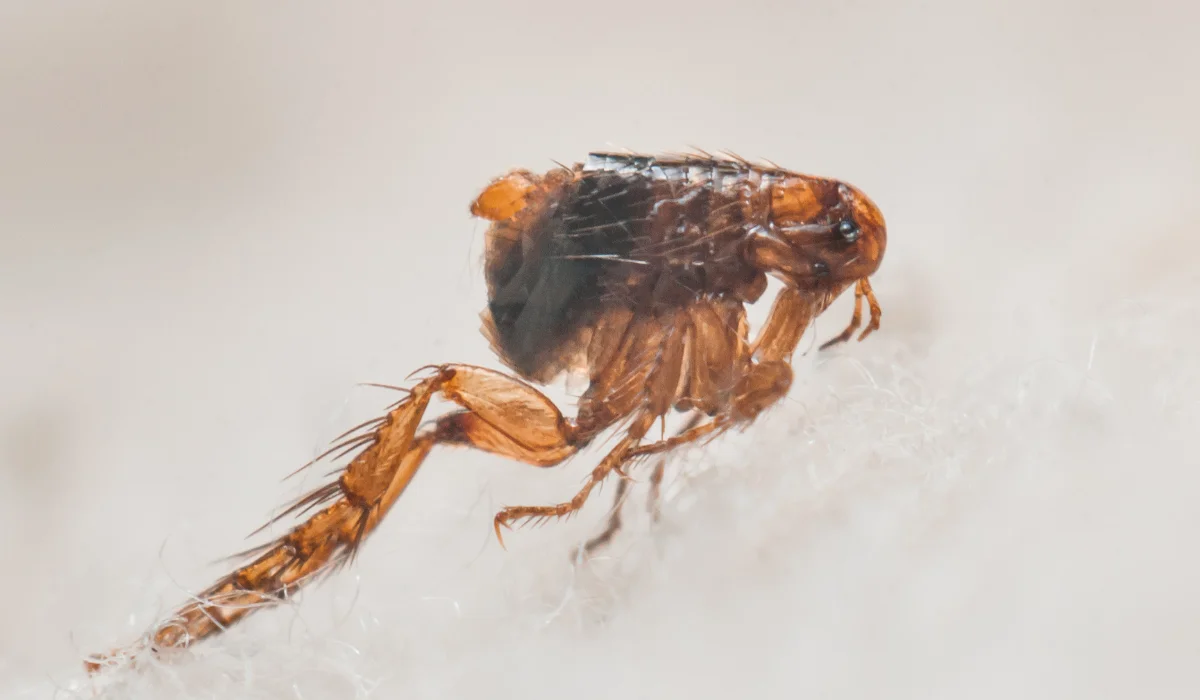
If fleas keep showing up on your pets or around your home, your yard may be where the problem starts. What attracts fleas to your yard often comes down to a combination of shade, moisture, animals, and protected places where fleas can develop without being disturbed.
Louisiana yards give fleas plenty of opportunities. Warm temperatures, high humidity, mild winters, pets, and frequent wildlife activity can keep flea pressure going throughout the year. Here are five common causes LaJaunie’s technicians look for when inspecting Louisiana yards, along with practical ways to make your property less inviting to fleas.
Key Takeaways
- Shade, moisture, yard debris, pets, and visiting animals can create conditions that support fleas.
- Louisiana’s warm, humid climate allows flea activity to continue through much of the year.
- Lawn care, pet treatment, wildlife management, and targeted yard service work best when used together.
What Attracts Fleas to Your Yard in Louisiana?
What attracts fleas to your yard is not usually one isolated problem. Fleas need a host for blood meals, but their immature stages develop in the surrounding environment. That means the places where pets rest, wildlife passes through, and moisture collects can matter as much as the animals themselves.
LaJaunie’s flea service notes show why technicians begin with a yard inspection for hotspots rather than treating every square foot as if flea activity were evenly distributed. In single-family homes, the team also commonly sees pets involved in moving fleas between outdoor areas and the home, which is why outdoor conditions and pet care need to be addressed together.
1. Tall Grass and Overgrown Shrubs
Tall grass and dense landscaping create the shaded, protected conditions fleas favor. Direct Louisiana sun can dry exposed areas quickly, but the ground beneath long grass, hedges, decks, and thick shrubs can stay cooler and hold moisture longer.
These areas are especially worth checking if your pets spend time there. Flea eggs can fall from an animal into the surrounding environment, while larvae develop down near the soil surface where they are protected from sunlight.
Keeping the lawn cut and trimming dense vegetation reduces those sheltered zones. Pay close attention to shaded fence lines, beneath shrubs, around decks, and any path your dog or cat uses regularly.
2. Moisture From Overwatering and Poor Drainage
Louisiana humidity already helps outdoor areas stay damp, so extra lawn moisture can create even better conditions for fleas. Overwatering, leaking hoses, slow drainage, and constantly wet soil can help protected flea stages survive longer than they would in a hot, dry part of the yard.
The goal is not to dry out your entire lawn. Instead, look for places that stay wet long after the rest of the yard has dried. Watering earlier in the day can give grass and soil more time to dry before evening.
Check shaded sections around patios, outdoor faucets, pet bowls, low spots, and air-conditioning drainage areas. Fixing persistent moisture can make those locations less favorable for fleas while also helping with other pests that prefer damp conditions.
3. Wildlife and Stray Animals Visiting Your Property
A yard does not need to have pets to experience flea activity. Wild and stray animals can carry fleas through a property and leave eggs behind in places where they rest, feed, or travel.
In Louisiana, that can include raccoons, opossums, squirrels, stray cats, rodents, and wildlife such as nutria or armadillos moving through neighborhoods and properties. This is one reason homeowners can end up with fleas in a house with no pets even when no dog or cat lives there.
Secure trash cans, avoid leaving pet food outdoors, and clean up fallen food that attracts animals. If you regularly see wildlife sleeping beneath a deck, shed, raised home, or other sheltered area, that location deserves extra attention during a flea inspection.
4. Leaf Piles, Woodpiles, and Yard Debris
Leaves, branches, stored materials, and other yard debris create protected spaces where moisture and shade last longer. These conditions can be especially common along fence lines, behind sheds, beneath raised structures, and in corners that do not receive much foot traffic.
A woodpile can create the same problem when it sits directly on damp soil or against the house. Fleas are not attracted to wood itself, but the cool, protected environment around the pile can support flea development, especially when rodents or wildlife use the area for shelter.
Remove accumulated leaves instead of allowing them to sit in shaded piles. Store firewood off the ground and away from the home when practical, and clear unnecessary debris from places where pets or wild animals spend time.
5. Outdoor Furniture and Pet Resting Areas
Outdoor cushions, pet beds, rugs, and upholstered furniture can create warm, protected resting areas. When a dog or cat regularly naps in the same spot, fleas feeding on the pet can deposit eggs into the material and surrounding floor or soil.
Shaded patios and porches can make these locations even more favorable because the area does not receive the direct sun that dries exposed parts of a Louisiana yard. Pet bedding near a doorway can also make it easier for fleas to move between outdoor and indoor spaces.
Wash washable pet bedding regularly and inspect outdoor cushions, mats, and furniture where pets rest. If fleas make their way onto fabrics indoors, knowing how to get rid of fleas on your clothes can help you avoid carrying them into other parts of the home.
What LaJaunie’s Technicians Look for in Flea Hotspots
When LaJaunie’s technicians arrive for an outdoor flea service, they do not assume the entire yard has the same level of activity. The service process starts with a thorough inspection to identify hotspots and determine whether the problem is limited to the yard or has also moved indoors.
One pattern in LaJaunie’s service experience is that single-family homes often need both indoor and outdoor attention because pets can move fleas between the two environments. That is why technicians ask about where pets spend time, inspect outdoor areas, and look at the scope of the problem before deciding where service should focus.
Pet owners are also asked to have the lawn freshly cut before outdoor service. Shorter grass gives the technician better access to the areas being treated and removes some of the dense cover that can protect flea activity.
How Louisiana’s Climate Affects Flea Activity
Louisiana’s long warm season and humid conditions give fleas a much longer window for activity than homeowners experience in regions with sustained hard freezes. Mild winters can allow fleas to remain active on animals or in sheltered spaces even when temperatures briefly turn cooler.
A shaded patch beneath a raised home, porch, hedge, or shed can also have very different conditions from an exposed section of lawn. Those small microclimates help explain why one part of a yard may have noticeable flea activity while another area only a few feet away does not.
Seasonal changes do not always mean flea pressure is over. In fact, fleas on dogs can get worse in fall when conditions remain mild and pets continue picking them up outdoors. Year-round pet protection and yard monitoring help reduce those repeat problems.
How to Prevent Fleas in Your Yard
Preventing fleas in your yard works best when you address both the animals bringing fleas onto the property and the places where immature fleas can develop. A tidy lawn alone will not solve a flea problem if an untreated pet or wildlife host continues reintroducing them.
Focus first on the places where pets rest, wildlife travels, and shade or moisture persists. Those are the same types of hotspots a technician will pay attention to during an inspection.
Keep Pets on a Flea Prevention Program
Pets are one of the most common ways fleas move between your yard and your living space. Talk with your veterinarian about the flea prevention option that best fits your pet’s age, size, health, and lifestyle.
Depending on your veterinarian’s recommendation, that may include oral products, topical treatments, flea collars, or other veterinary flea-control options. Keep pet bedding clean at the same time so fleas are not developing in a place your dog or cat uses every day.
Treating the pet without addressing a flea-filled yard can lead to repeated exposure. The same is true in reverse, so pet care and environmental control should work together.
Maintain the Lawn and Reduce Moisture
Keep grass cut, trim overgrown shrubs, remove leaf buildup, and clean out shaded corners where debris collects. These simple changes reduce the protected areas fleas can use while making it easier to spot the conditions supporting an infestation.
Review how you water the lawn as well. Early-morning watering gives moisture more time to evaporate, while evening watering can leave shaded sections damp for much longer.
Fix leaky outdoor faucets, hoses, or other sources of unnecessary moisture. If one area stays wet because of drainage problems, correcting the drainage may help make the yard less favorable for fleas.
Reduce Wildlife Traffic
Raccoons, stray cats, rodents, opossums, and other wildlife can keep reintroducing fleas even when your pets receive regular prevention. Start by removing whatever is encouraging those animals to spend time near your house.
Use secure lids on garbage containers, bring pet food indoors, and avoid leaving food scraps outside. Check sheds, decks, crawl spaces, and raised structures for signs that animals are resting or nesting there.
If wildlife has made a sheltered area its regular home, removing the attraction is often more useful than repeatedly addressing fleas without dealing with the animal traffic behind the problem.
Clean Up Dead Wildlife Safely
A dead animal can become an unexpected flea source. When the host dies, fleas may leave the body and search for another warm-blooded animal nearby, which can include pets or people.
Check beneath raised homes, decks, sheds, and yard debris if you notice a sudden flea problem with no obvious source. Avoid handling dead wildlife with bare hands.
For carcasses on public property or situations you are not equipped to handle safely, contact the appropriate local sanitation or animal-control service for guidance.
How to Recognize Flea Bites After Yard Exposure
Flea bites often become noticeable after you have spent time in an infested yard or after fleas have moved indoors. They commonly appear on the lower legs and ankles because those areas are closest to the ground as fleas jump toward a host.
If you are trying to identify what caused itchy marks after spending time outside, it can help to compare the pattern with common flea bites on the legs. Flea bites often appear as small, itchy bumps in groups, though reactions can differ from person to person.
Not every unexplained bite around a home comes from fleas. Other pests can cause skin reactions as well, so knowing what yellow sac spider bites may look like can help you avoid assuming every bump has the same source.
When Professional Flea Control Makes Sense
Professional flea control is worth considering when you continue seeing fleas after addressing pets, lawn conditions, moisture, and common wildlife attractants. It is also useful when fleas are present both outside and indoors, since treating only one side of the problem can leave the other population active.
LaJaunie’s service process starts by determining whether fleas are indoors, outdoors, or both. Technicians inspect the yard for hotspots, and many single-family homes receive both indoor and outdoor service when the conditions call for it. A follow-up visit is also part of the flea service process so newly developed fleas can be addressed after the initial visit.
For Louisiana homeowners dealing with recurring activity, LaJaunie’s flea control service can address flea problems indoors, outdoors, or in both areas depending on what the inspection finds. A technician can evaluate where your pets spend time and identify the parts of the property contributing to the problem.
Making Your Louisiana Yard Less Attractive to Fleas
What attracts fleas to your yard is usually a combination of hosts and shelter. Tall grass, persistent moisture, wildlife, yard debris, and pet resting areas can all create small protected zones where fleas have a better chance of surviving.
In Louisiana, those conditions can remain favorable for much of the year, so consistent prevention matters more than a one-time cleanup. LaJaunie’s Pest Control works with homeowners across Southeast Louisiana to identify flea hotspots and determine whether the yard, home, or both need attention.
If fleas keep returning after you have addressed your pets and outdoor conditions, you can contact LaJaunie’s Pest Control to have the property evaluated and find the source of the recurring activity.
FAQs
What Attracts Fleas to a Yard Without Pets?
Wildlife and stray animals can introduce fleas even if you do not own a pet. Raccoons, opossums, rodents, stray cats, and other mammals may pass through or rest in your yard. Shade, moisture, leaf piles, and sheltered areas can then give immature fleas places to develop.
Can Fleas Live in a Louisiana Yard Year-Round?
Louisiana’s mild winters and humid climate can allow flea activity to continue throughout the year, especially in protected outdoor areas. Fleas may persist around animal resting sites, beneath structures, or in shaded sections of the yard even when cooler weather temporarily reduces activity elsewhere.
Why Do Fleas Keep Coming Back After I Treat My Yard?
Recurring fleas usually mean part of the life cycle or source has not been addressed. Untreated pets, wildlife traffic, indoor activity, shaded hotspots, or newly developing fleas can restart the problem. Effective control often requires treating the animal, the environment, and the source of repeated exposure together.